This May, I was invited to visit Patrón through their agency M Booth in New York City. In this blog post, I will briefly touch on the history of Patron. But more importantly, I want to talk about my experience visiting Patron, its production as well as its contribution to the local community.
History
Nested near the town of Atotonilco El Alto in the highlands of Jalisco, Hacienda Patrón is considered as a super-premium tequila, with a far large number of celebrity followers than any other spirits brand. When Patron was first launched in the '90s, it took the tequila world by storm as one of the first 100% blue agave tequila, and a high price tag. During that time, Mixto ( >= 51% blue agave) was the dominant player at that time.
Today, Patrón enjoys its success with more than 70% market share in the United States with fast expansion into other countries.
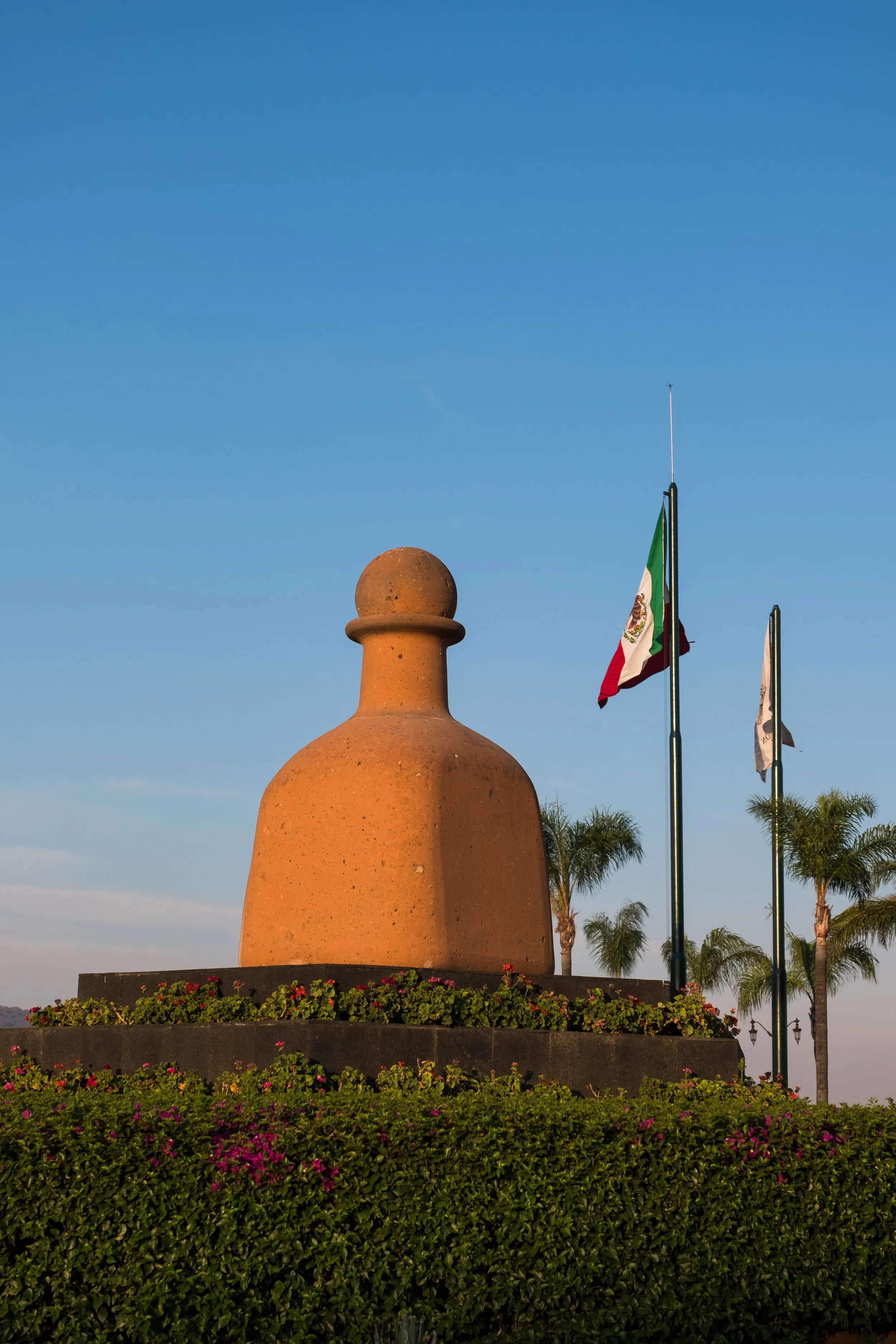
With such undenied success, one can't stop but wondering how they got to where they are today. The story of Patrón all started back in the 1980s when Martin Crowley teamed up with John Paul DeJoria, the founder of Paul Mitchell hair product. They wanted to create a premium brand that sets them far apart from the rest, with gorgeous hand-blown glass bottle design that is still so iconic today. Eventually, they partnered with distiller Francisco Alcaraz, who was freelancing at Siete Leguas.
In April 2018, Patron was sold to Bacardi for 5.1 billons.
Tequila vs Mezcal
This subject has been covered extensively in various articles online. So here is just a brief recap for those who just got into agave-based spirits.
Essentially, tequila can only be made, by law, with one variety of agave: the Blue Agave. It can only be produced in the state of Jalisco and some other municipalities nearby.
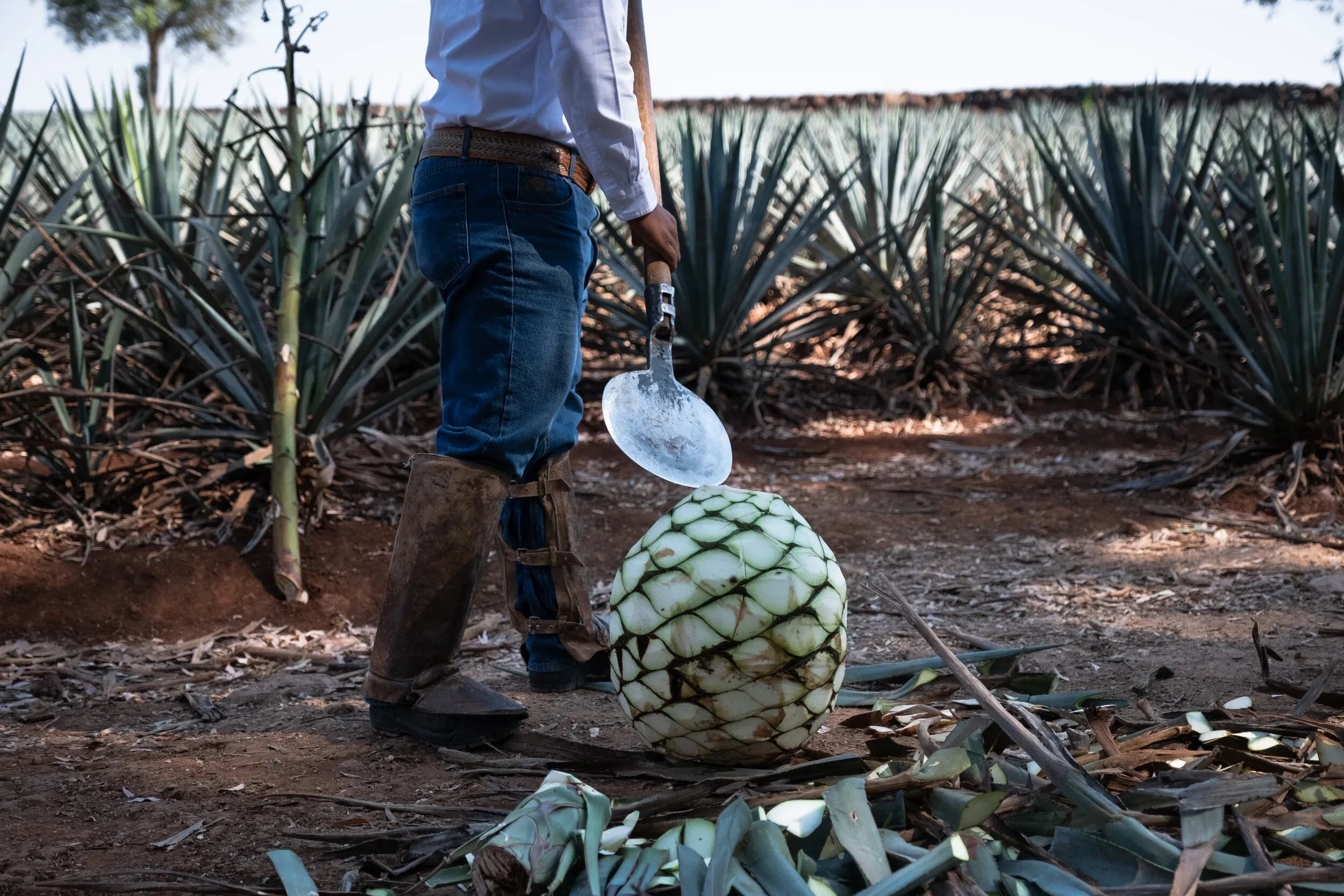
To make tequila, the heart of the plants, called 'piñas', is often steamed. To make mezcal, it is cooked with a wood fire ground oven, that is where the mezcal gets its classic smoky flavor.
One thing I learned from the trip, is that tequila can be smoky as well. It is not required that it needs to be steamed. For mezcal, the smokiness is also not a required flavor profile, although many Americans are drawn to it.
Patron Experience
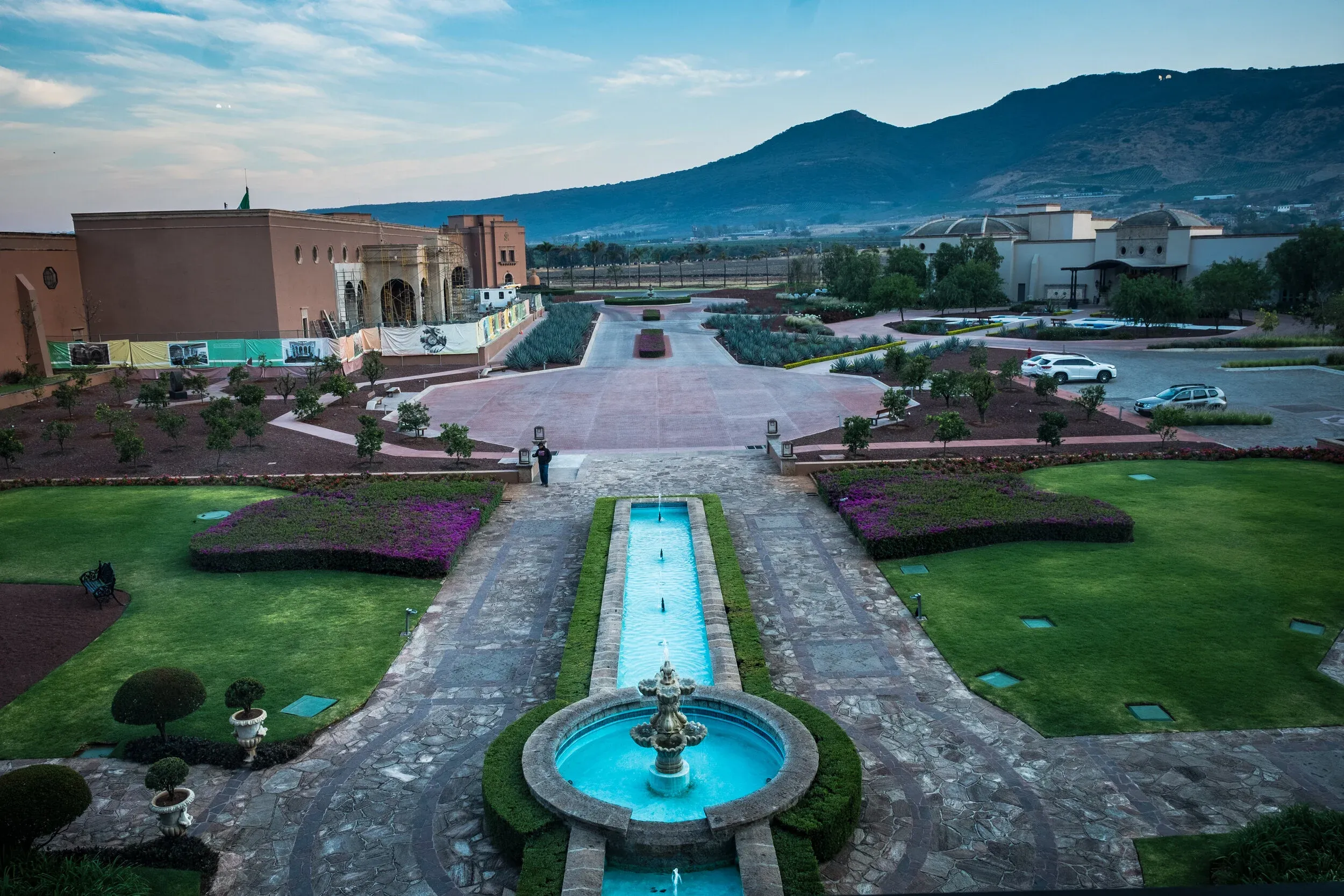
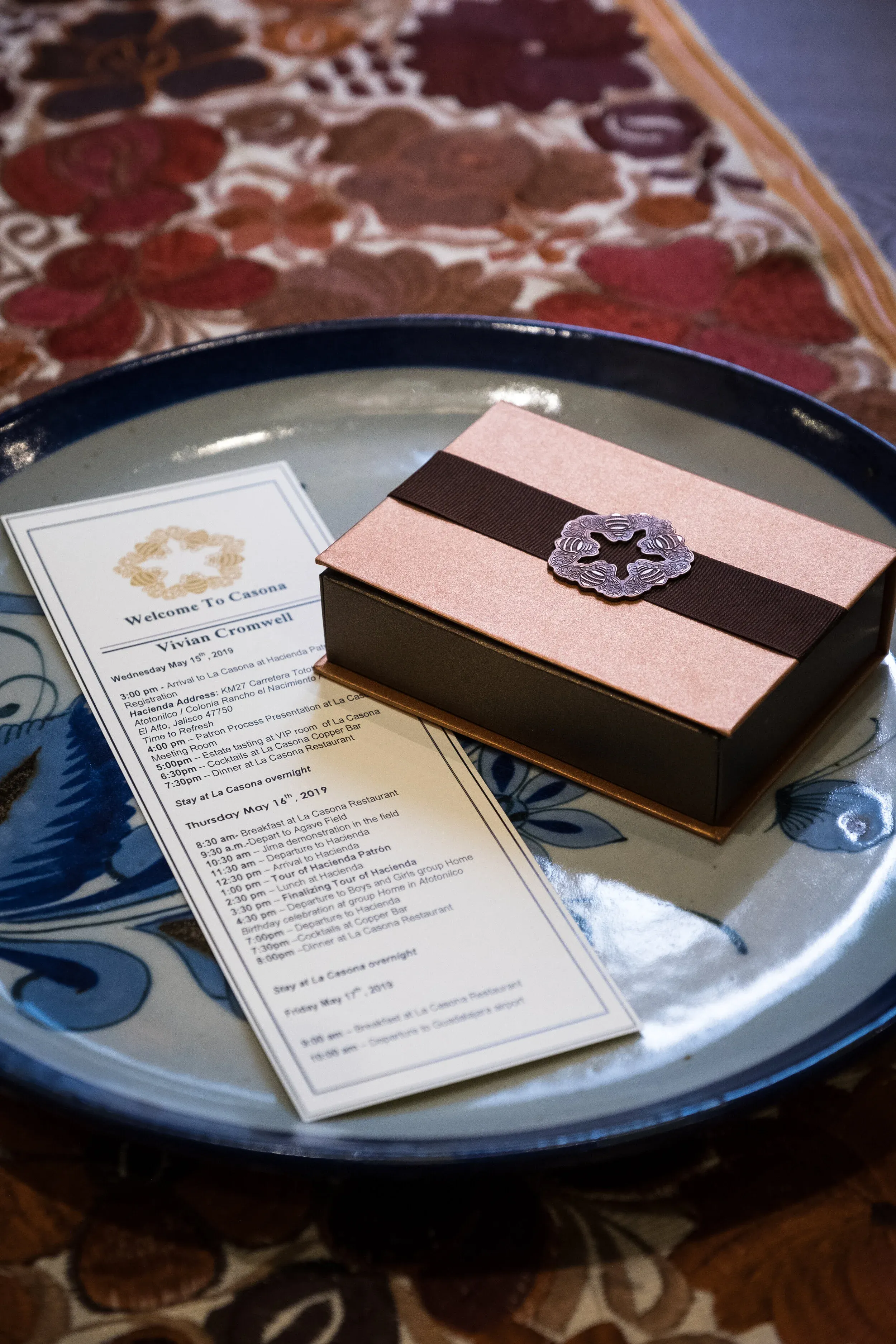
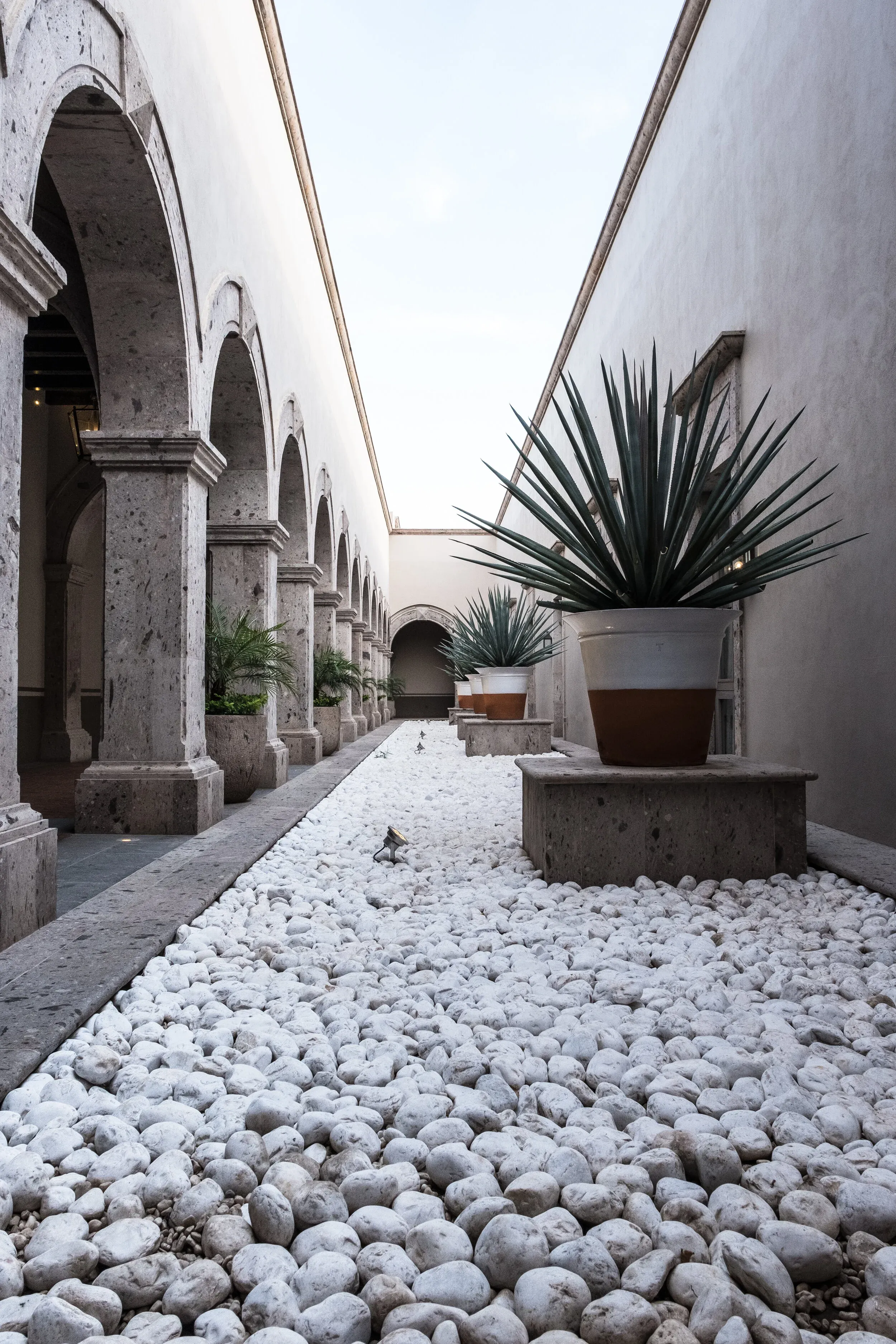
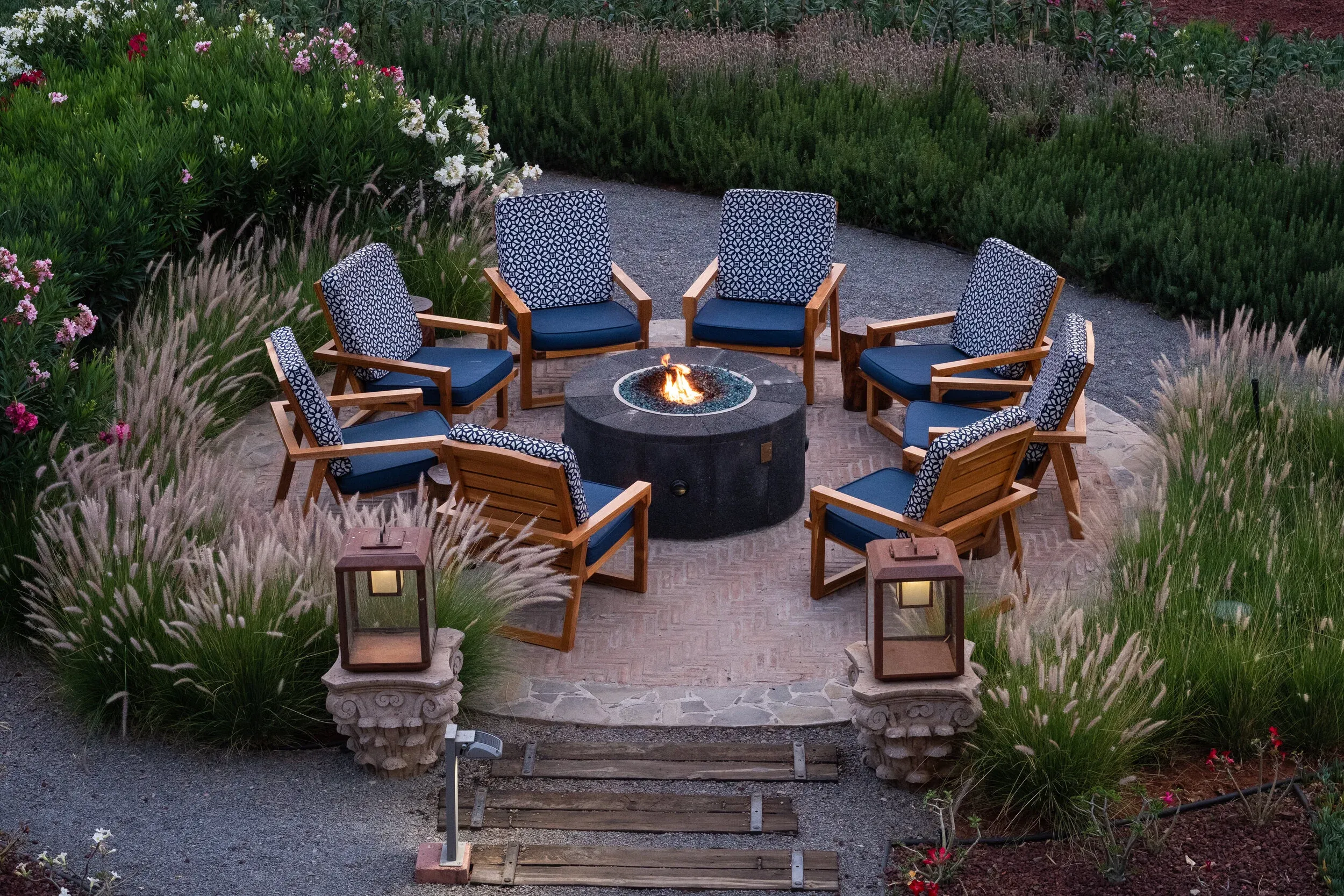
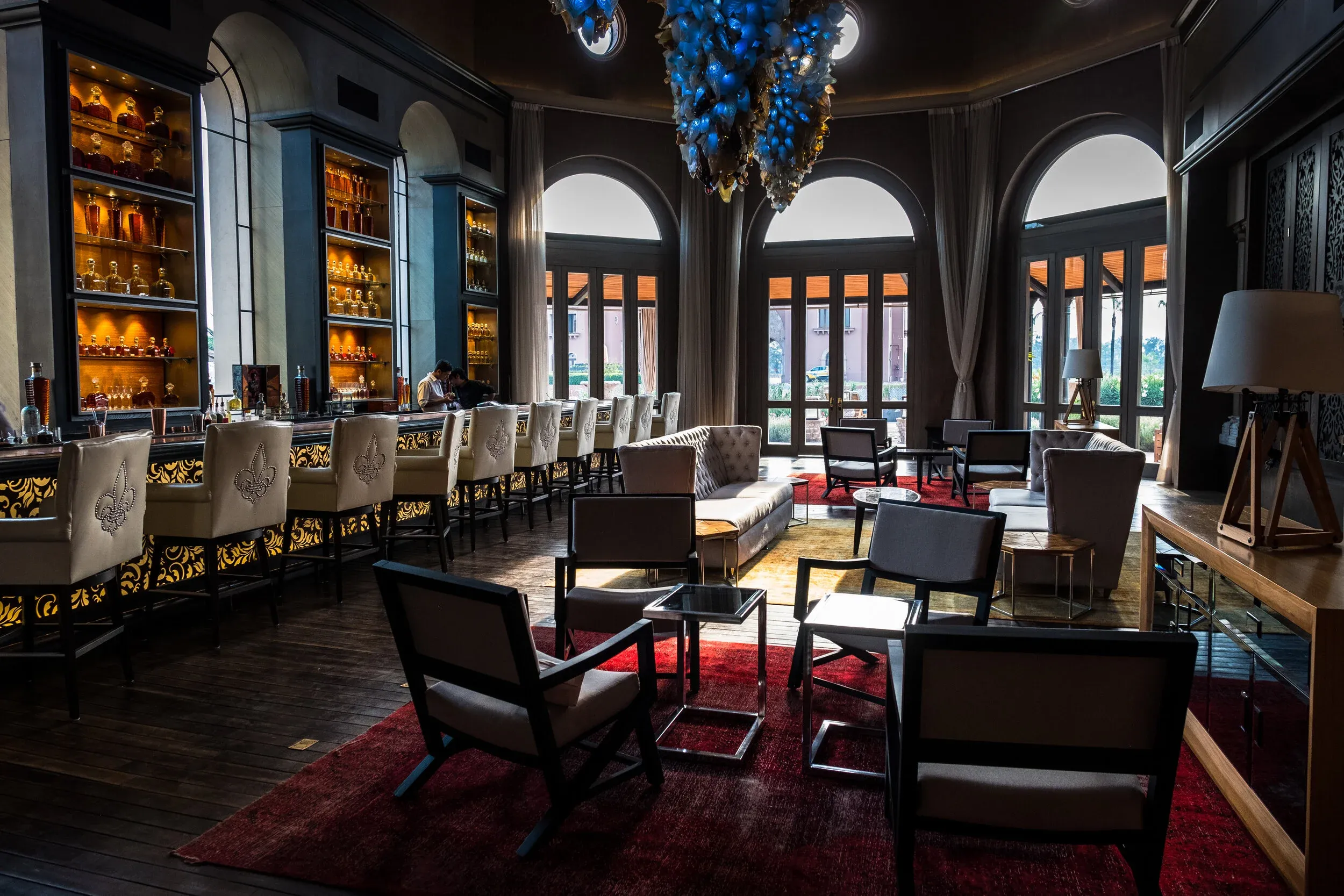
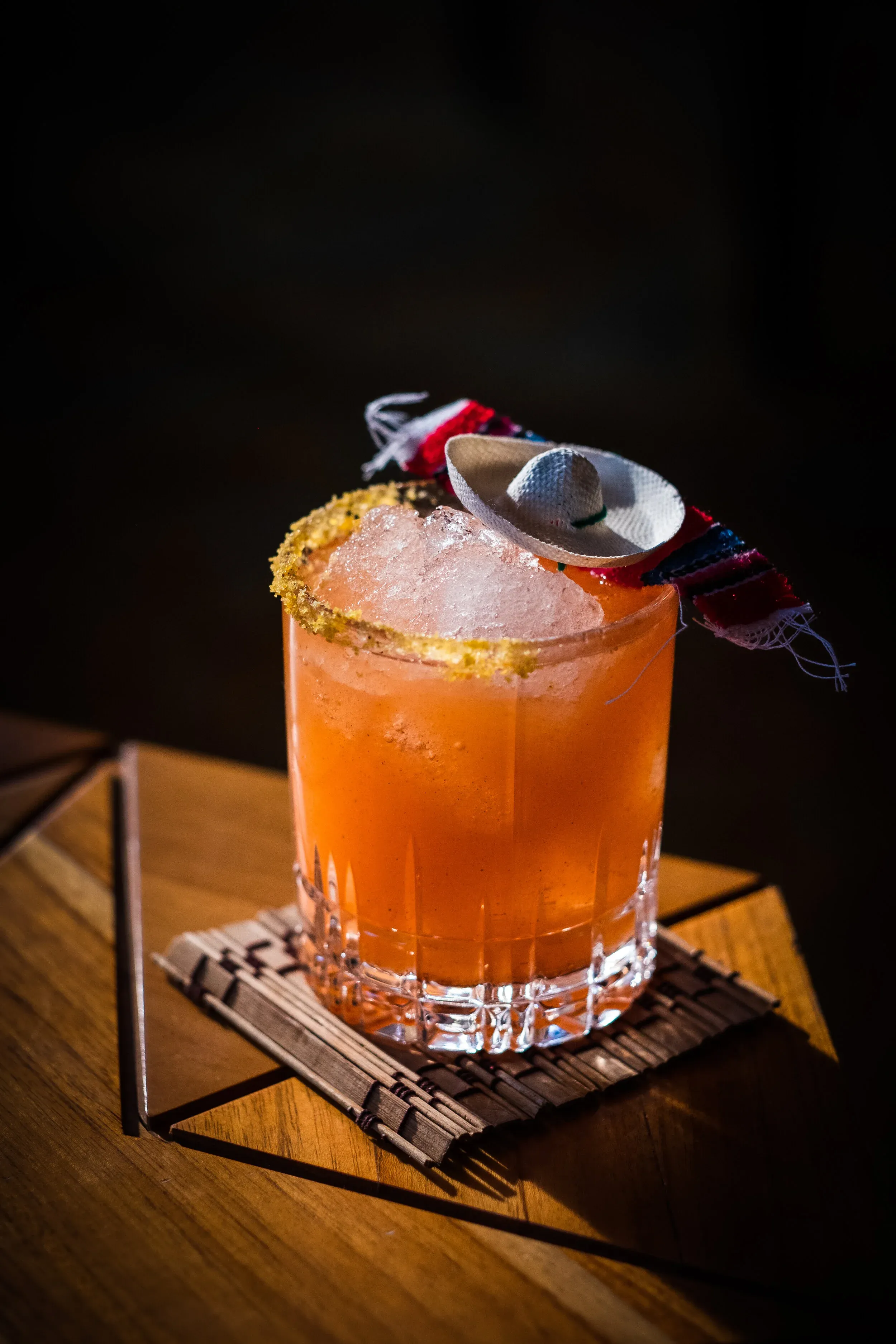
Getting to stay at Patron headquarter is once a lifetime experience. It has a distillery, a five-star hotel that can host more than a dozen guests, a restaurant, a fantastic bar run by Oscar.
I will just let my pictures speak about the amazing experience.

Product Range
Patrón has two main tequila product lines, one is their flagship product and the other is Roca (Spanish for 'rock') which was launched in 2014. Roca's launch is a response to the market calling for artisanal and agave-forward spirits.
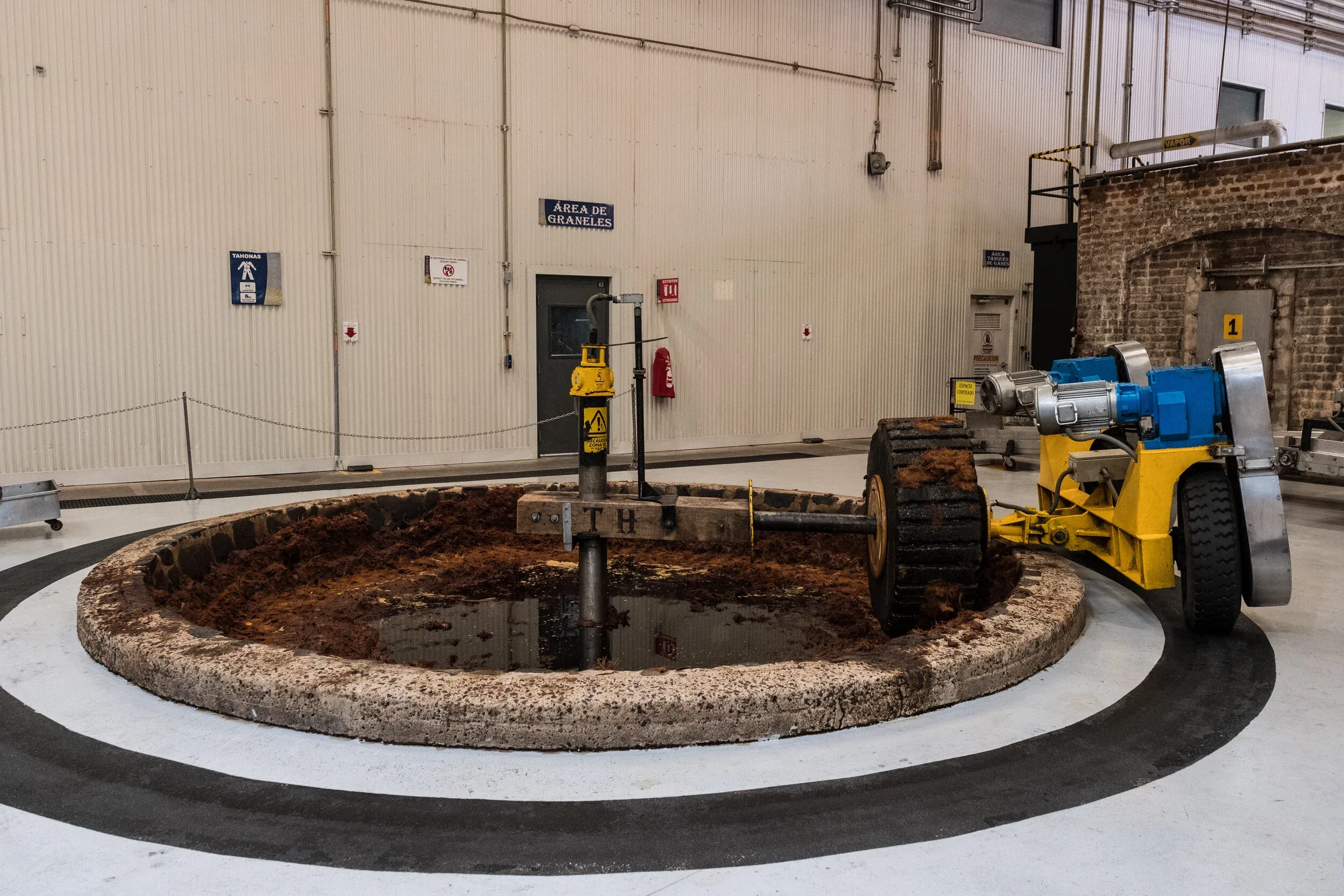
There are some key differences between the two lines. Roca produces the spirits by crushing slow-roasted agave piñas, in a circular stone pit using a 2-ton wheel made of volcanic rock (called Tahona). This was the traditional way of making tequila. But the process was largely replaced by automated rollers.
Automated rollers tend to do a too good a job that leaves no fiber behind. With Tahona, all of the fibers are left together with the juice well into fermentation, which gives Roca more complex and multi-dimensional flavors. Tahona is very not efficient, hence the Roca product is more expensive, but this is the closest to blue agave as you can get.
On a side note, tahona is still commonly used in many mezcal productions.
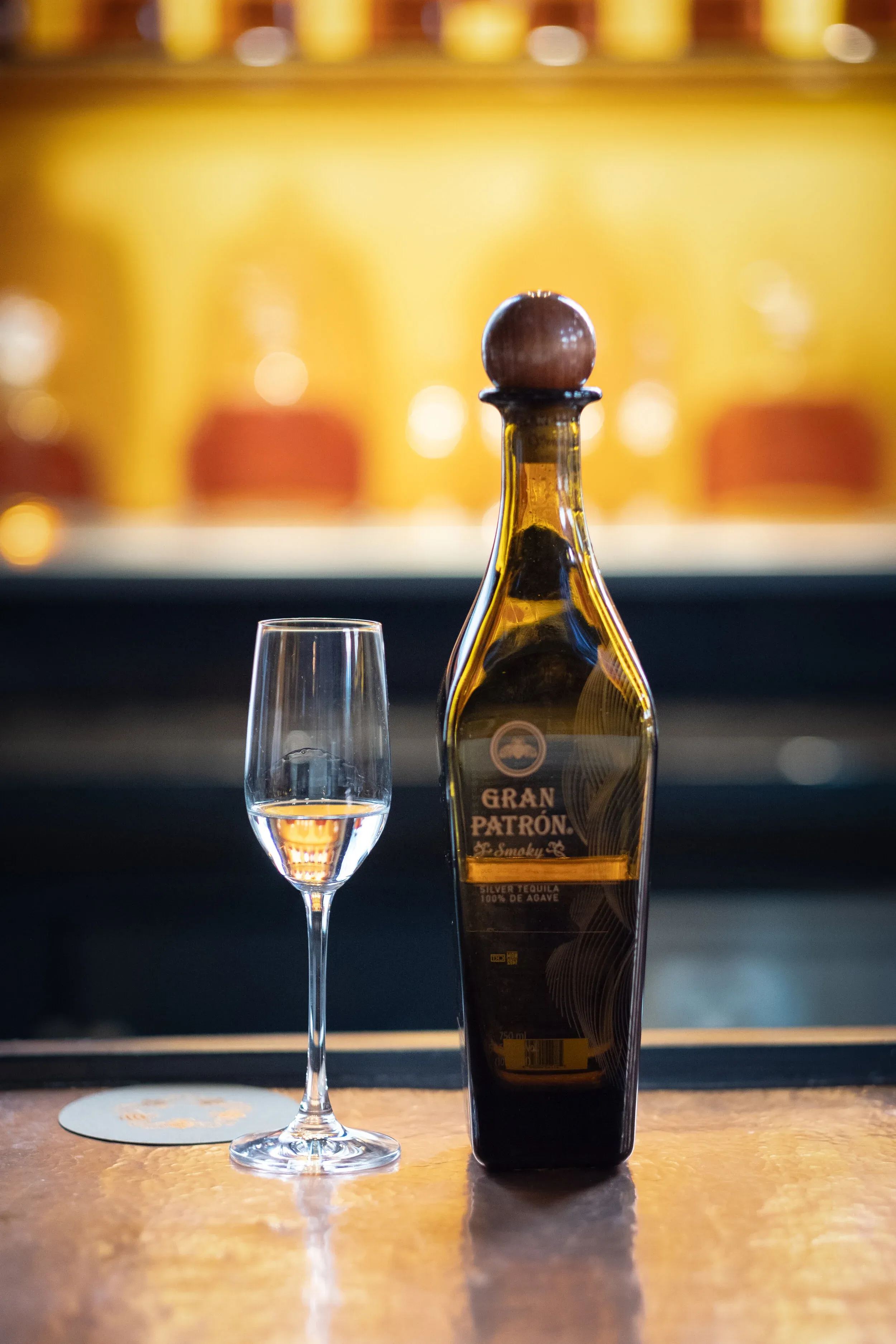
Gran Patrón is its most luxury line. I enjoyed Smoky very much which uses the ground oven cooking method similar to mezcal. But the most elegant one is Piedra, which is entirely from Tahona process, aged more than three years in American oak and French oak.
Distillation Process
Before visiting Patrón, I have always viewed the brand as this giant tequila company who is hugely successful in marketing. What surprised me the most though, is how much focuses they put on the artisanal small batch process. For Patrón, it is important to be part of the local community, they employ more than 1600 workers and many of their processes are done by hands.
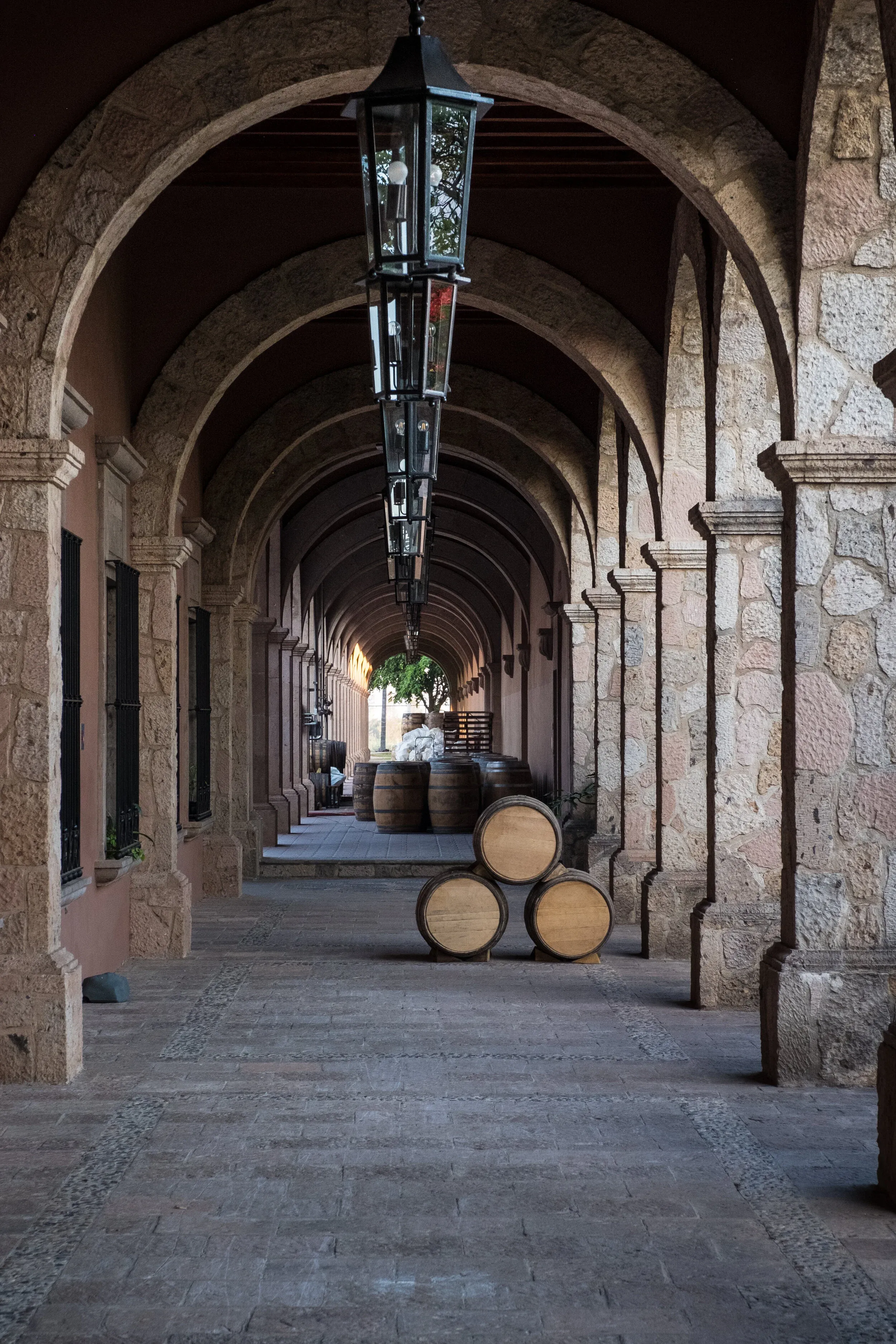
In this section, I am not going to cover the entire distillation process. But I will highlight the few key differences.
Patron sources the blue agaves from the local farmers. When blue agave is ready for harvest, Patron cuts off the skin of piñas a bit more than the average. This is to ensure an ultra-smooth tequila tasting experience, what Patron is striving for.
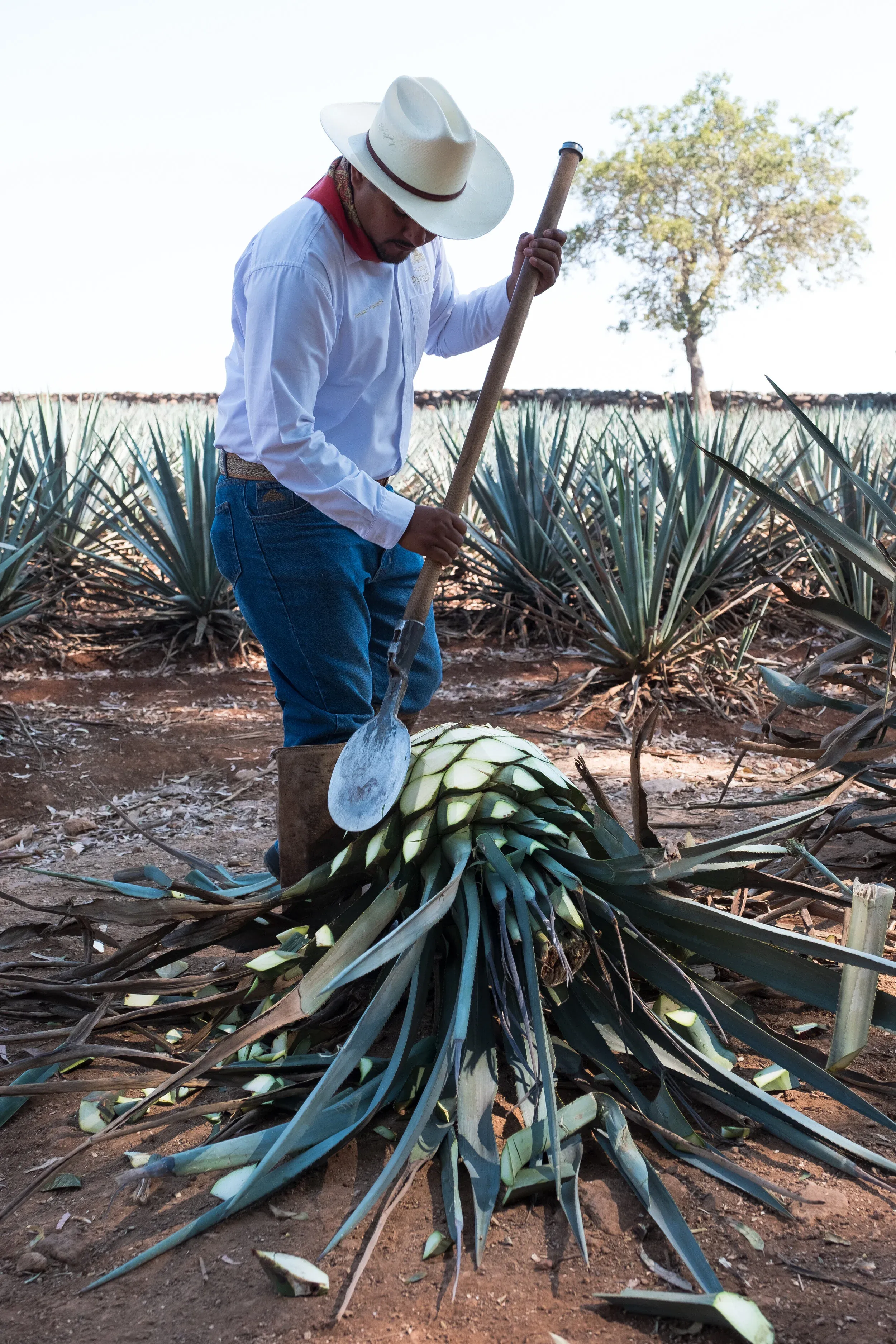
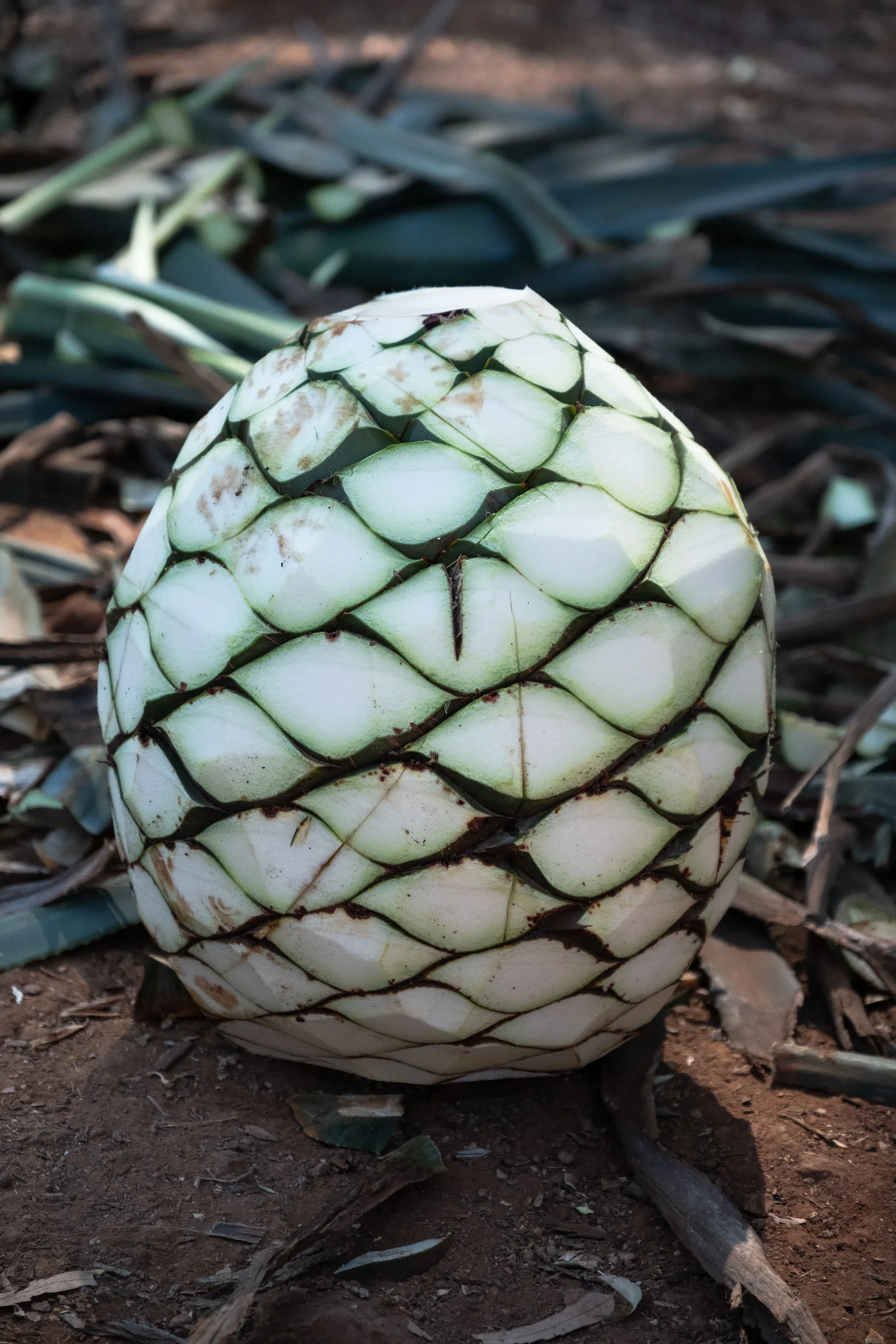
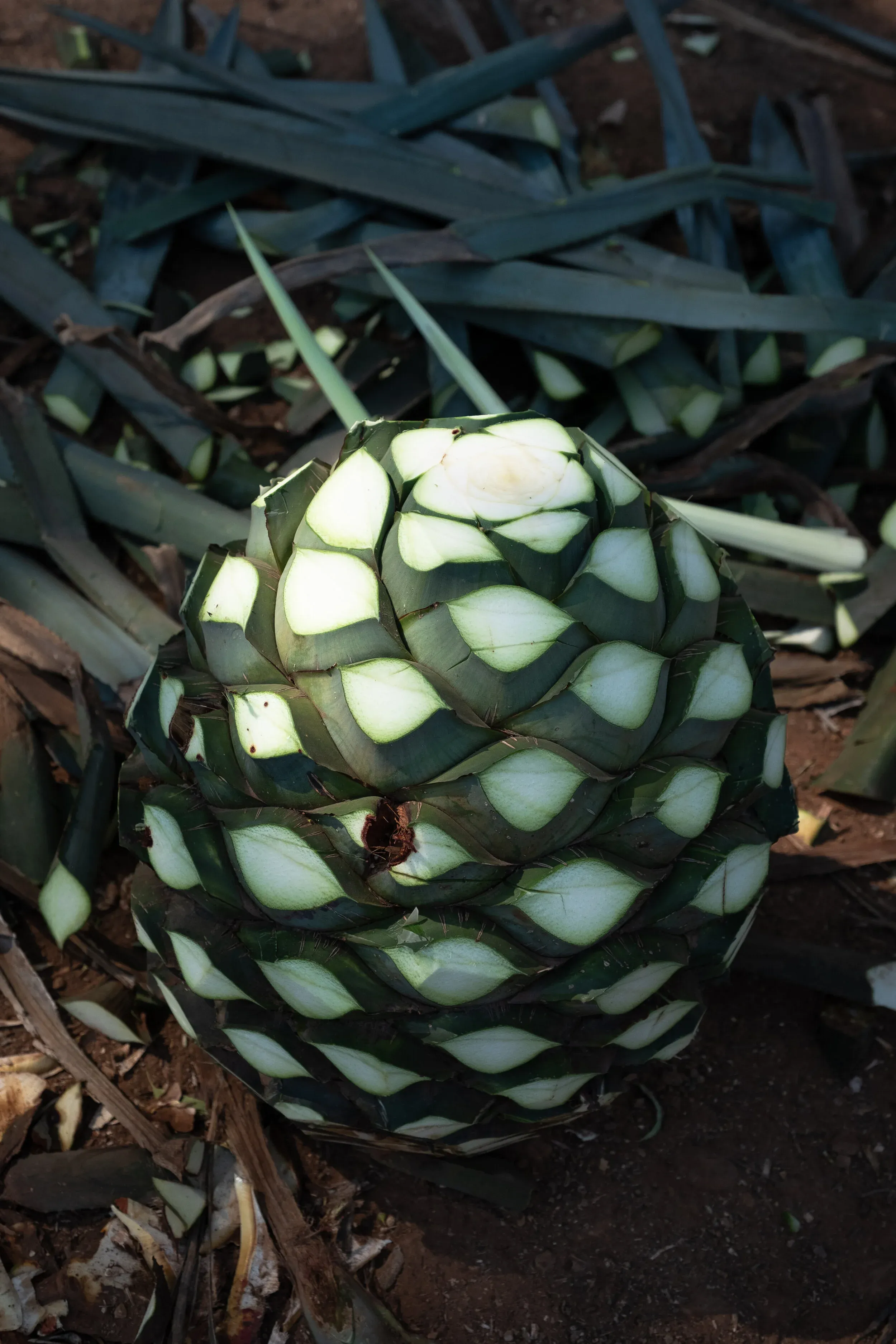
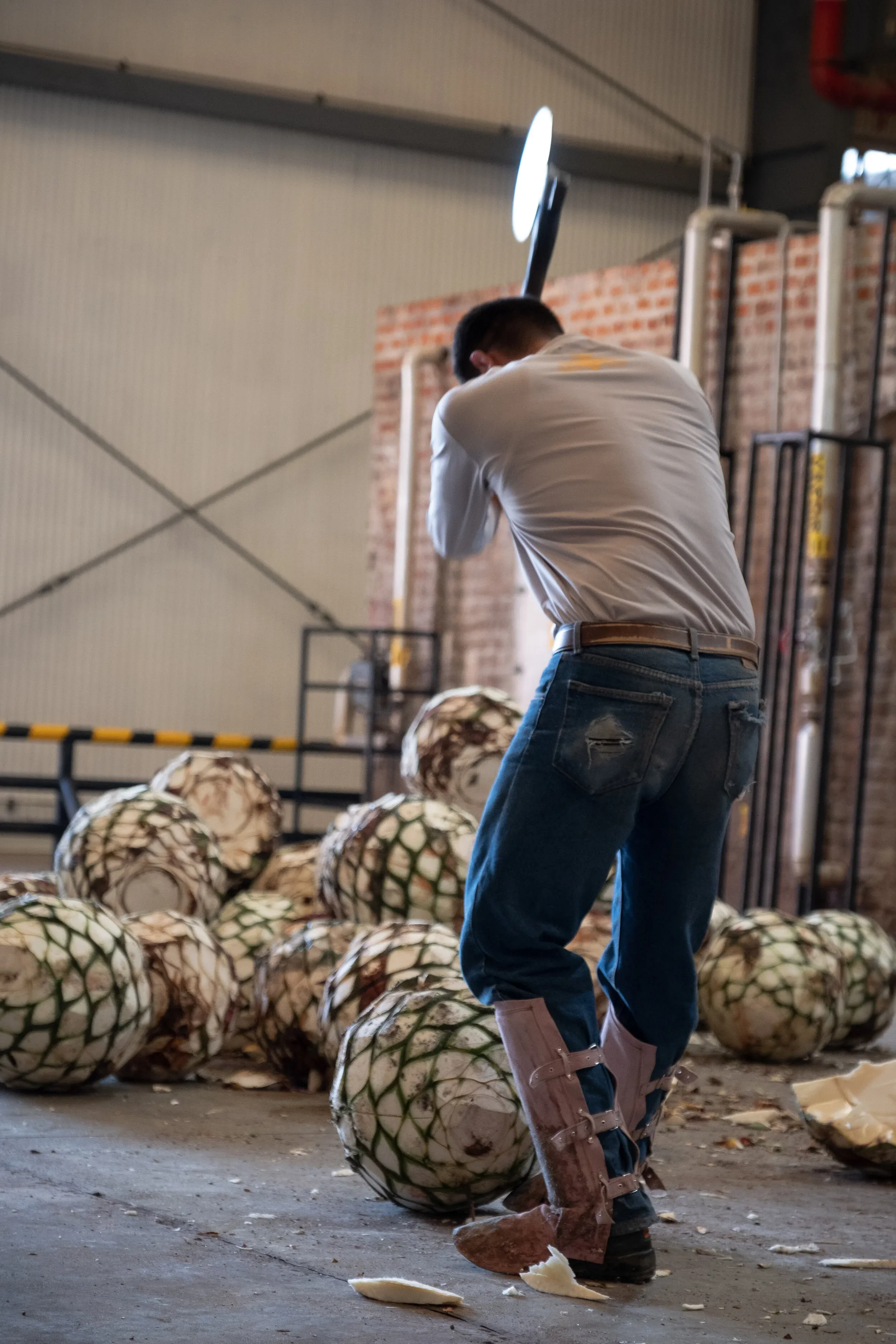
Before maceration, the agave is cut into even pieces, for cooking. They are cooked for exactly 79 hours, no more and no less, for the best results.
Patron has ten tahonas because it is such a labor-intensive process. Very few are doing this in the tequila industry.
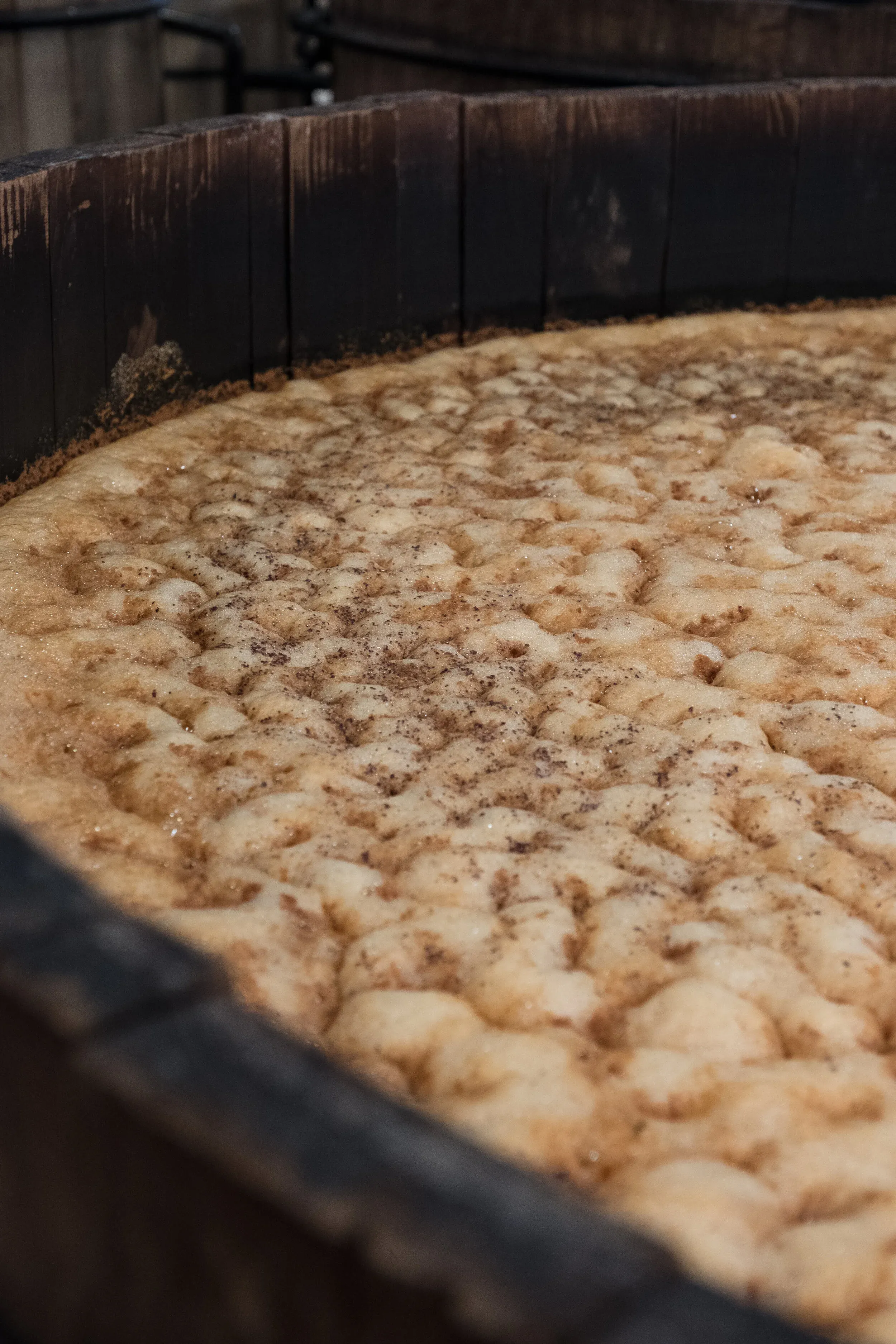
Fermentation is happening in the pine wood.
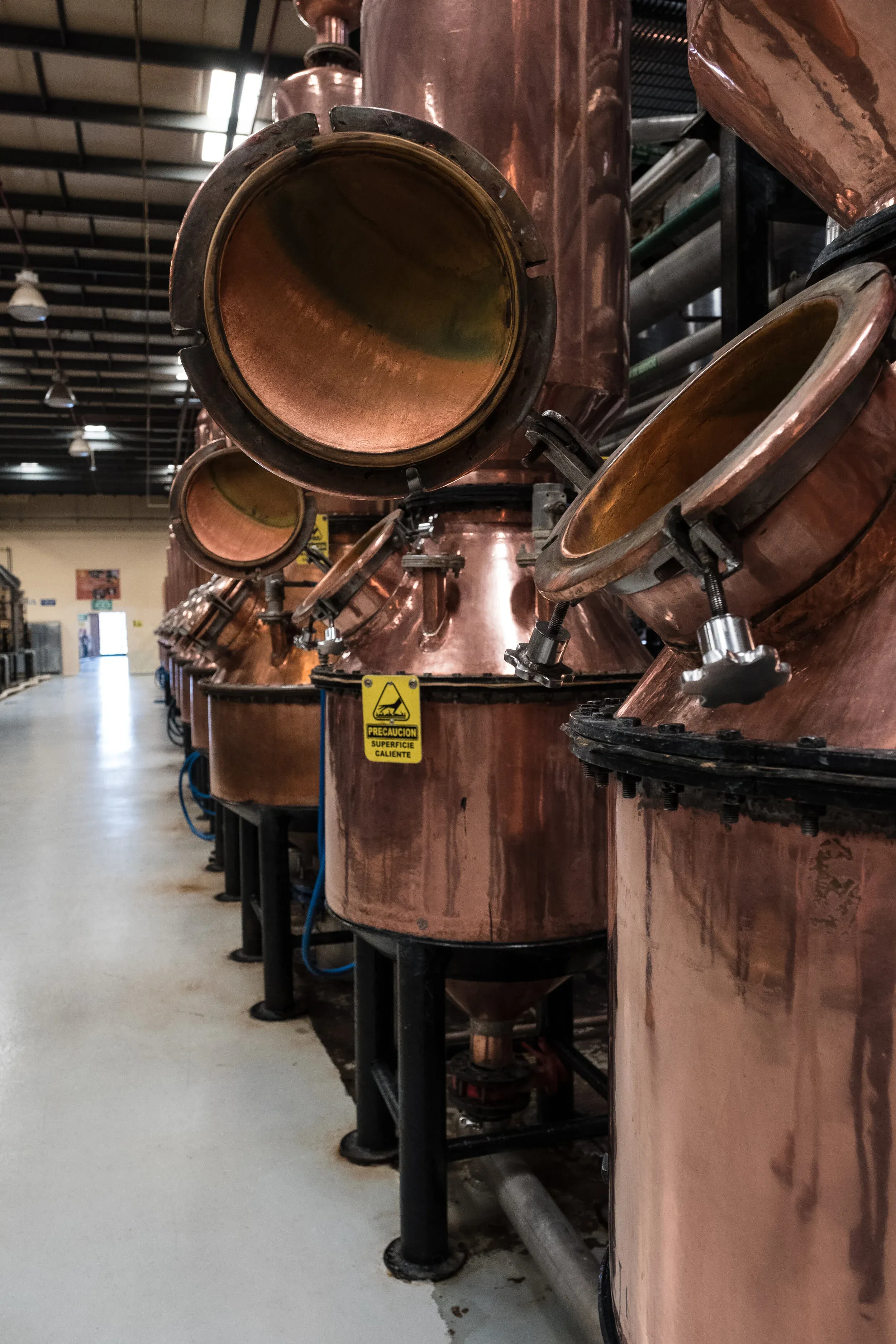
For each tahona area, they have custom-designed copper pot stills. Some are tall and skinny, while others are shorter and rounders. They are used for the first and second distillation.
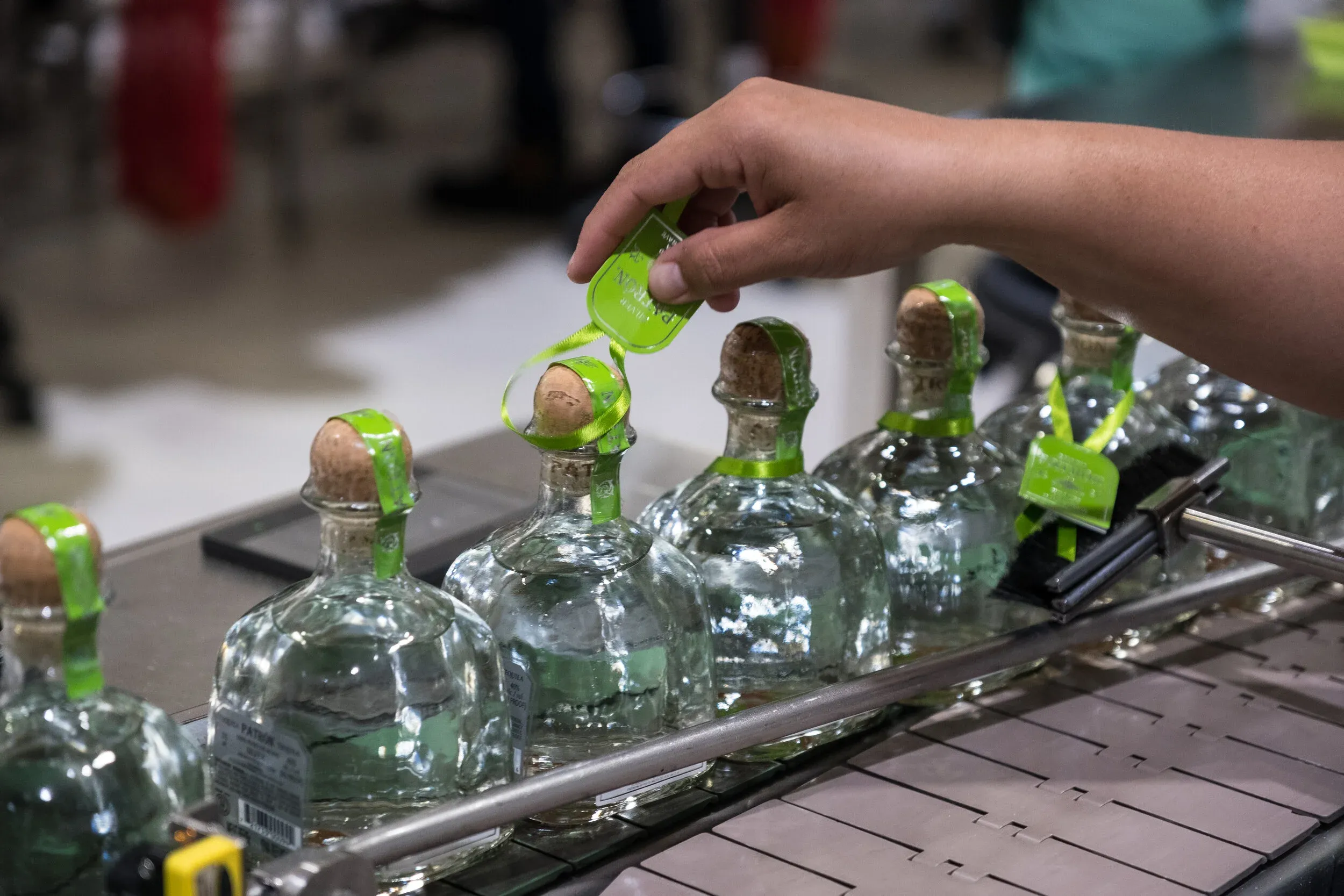
All bottles are hand-labeled.
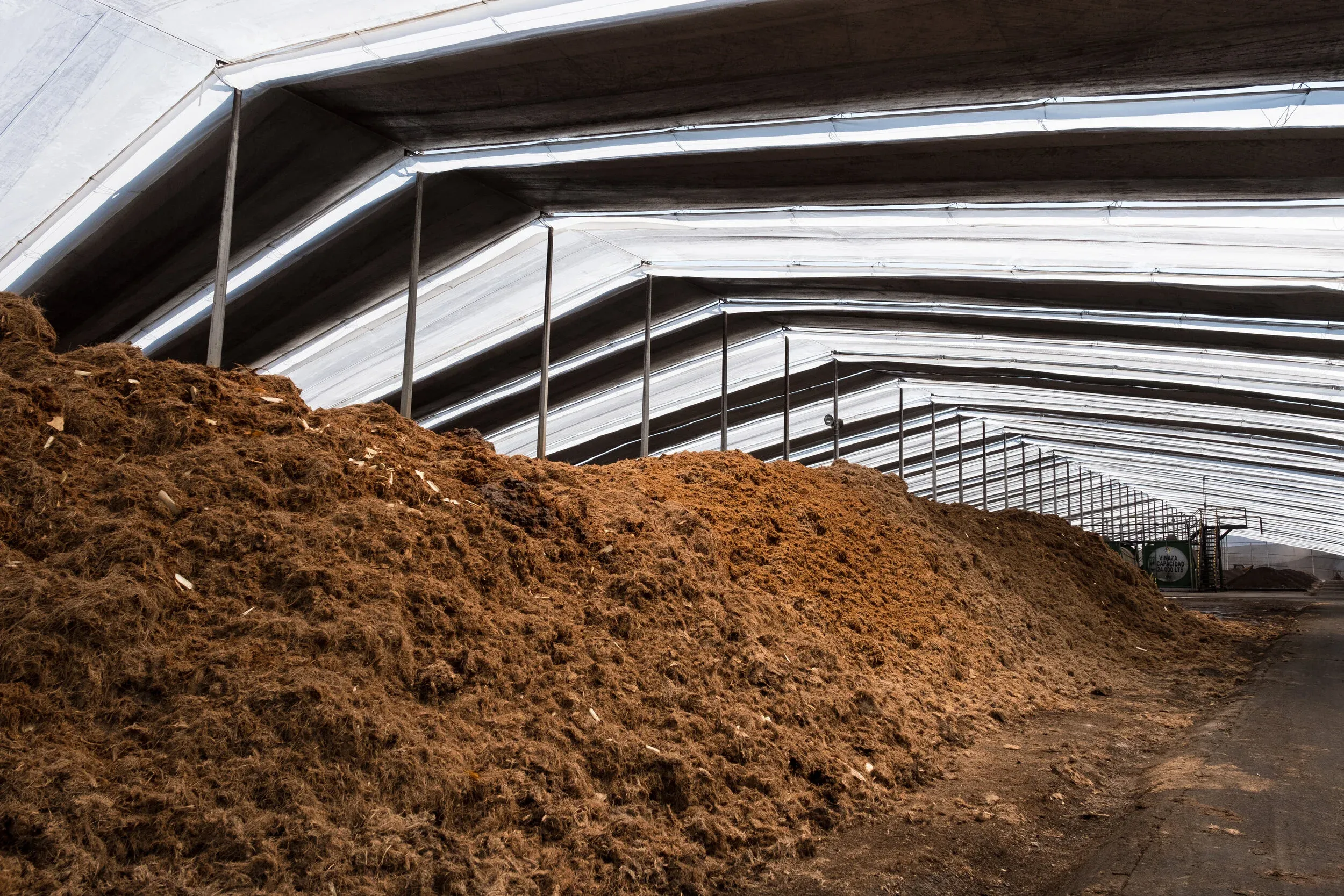
Patron is a huge advocate for sustainability. Tequila production creates a significant amount of leftover distillate, Patron developed a reverse-osmosis system. More than 60% of the wastewater is reused in cooling towers and cleaning. Everyone is also welcomed to drop fibers at the Patron's site. The resulting compost, which is converted into fertilizer, is then used to grow crops in the Hacienda's organic vegetable garden. Some are also given to the Patron's farmers for their fields, and employees for their gardens.
Community Contribution
Throughout the entire trip, one thing that really stood out to me is Patrón's contribution to the community. For a striving community, education, healthcare, and employment are often the key elements.
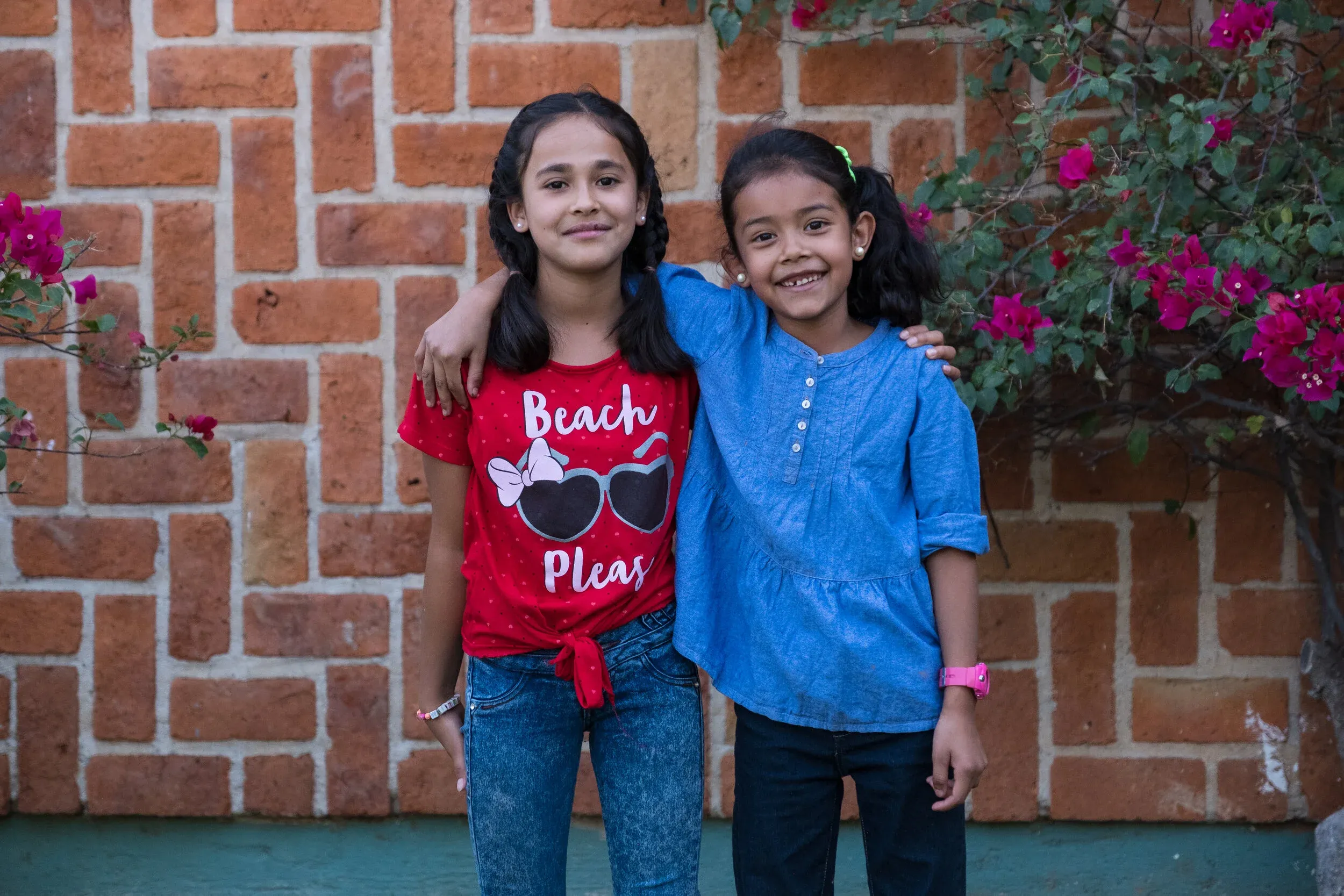
During the press trip, we got to visit a local orphanage, where we got to spend time with the kids on making pizza and playing the games. It was such a memorable experience.
The Patrón trip is special to me because it was my first agave experience. Since then, I went on and learned even more about tequila and mezcal, had the opportunity to visit Oaxaca. Mexico is forever a special place to me, and Patrón with such an elevated experience and memories.